

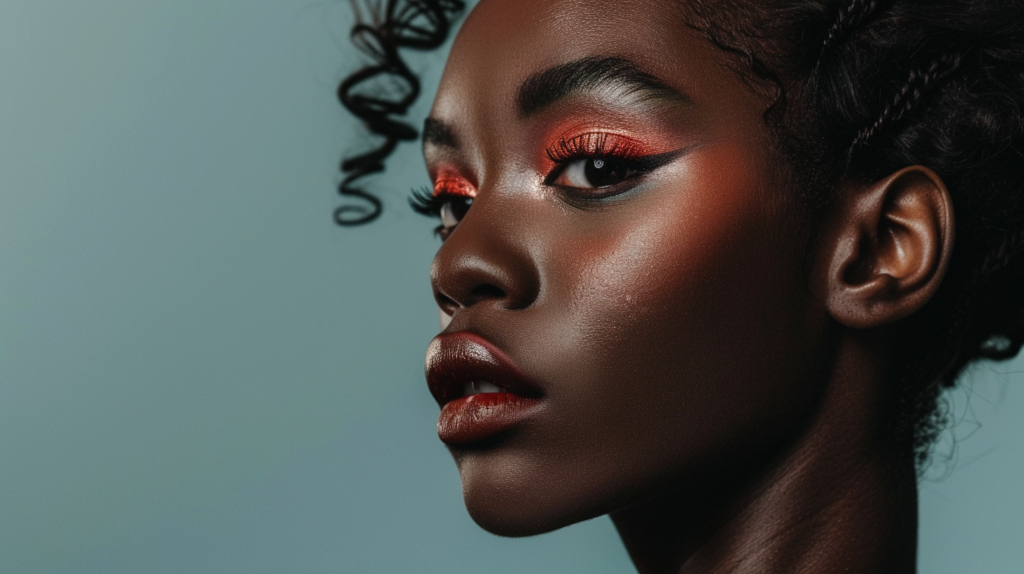
Walk into a cosmetics store in Toronto, Paris, Seoul, or São Paulo and you may notice something surprising: even when the brand name on the shelf is the same, the shades inside the compacts and bottles often aren’t. Global makeup brands release different color ranges, undertones, and even formulas depending on the country or region. This isn’t accidental. It’s the result of cultural preferences, market research, climate, and local beauty ideals shaping what consumers actually want to wear.
In an increasingly global beauty market, understanding why these differences exist reveals how cosmetics companies balance worldwide branding with local relevance.
Why Global Brands Don’t Use One Universal Shade Range
At first glance, it might seem logical for a major brand to sell identical foundation, lipstick, and eyeshadow shades everywhere. In practice, this rarely works. Skin tones, undertones, makeup styles, and shopping habits vary widely from region to region.
Global brands conduct extensive market research before launching products in a new country. They analyze:
- Popular undertones (cool, warm, neutral)
- Preferred makeup intensity (natural vs. bold)One Brand, Many Shades: How Global Makeup Lines Adapt Color Across Countries
- Cultural attitudes toward tanning or skin brightening
- Climate and humidity levels
- Local trends driven by celebrities and social media
What emerges is not a single “correct” palette, but many carefully adjusted ones.
Foundations: Undertones Change by Region
Foundation is the category where regional differences are most obvious. Even when shade names are the same, the undertones can vary subtly.
In North America, brands often offer wider ranges with strong undertone differentiation. Neutral and warm shades are especially common, reflecting diverse consumer demographics and demand for precise matches.
In parts of Europe, foundation ranges frequently lean toward lighter shades with cooler or neutral undertones. Southern European markets may introduce warmer options, but often with fewer extreme depth variations than North America.
In East Asian markets, foundation lines typically focus on lighter to medium shades with neutral or yellow undertones. These ranges are often narrower, but highly refined within that spectrum, emphasizing smooth, even-looking coverage rather than dramatic contrast.
Brands such as L’Oréal and Maybelline routinely adjust their foundation charts to reflect these regional expectations, even when packaging looks nearly identical.
Lipstick Colors and Cultural Preferences
Lipstick tells a different story, driven as much by fashion and culture as by skin tone.
In North America, popular lipstick shades often include:
- Nude tones matched to a wide range of skin depths
- Classic reds
- Mauves and pinks with balanced undertones
European markets, particularly in fashion capitals, frequently favor:
- Blue-based reds
- Muted rose shades
- Sophisticated neutrals with subtle gray or brown undertones
In East Asia, lipstick trends tend to focus on:
- Soft gradient shades
- Coral, peach, and rose tones
- Sheer or satin finishes that enhance natural lip color
In contrast, markets in Latin America often embrace richer pigments and higher saturation, with bold reds, berries, and warm pinks performing strongly.
A single lipstick name can therefore look noticeably different depending on where it’s sold, even though it remains part of the same global line.
Eyeshadow Palettes: From Minimal to Expressive
Eyeshadow palettes reveal how makeup brands interpret beauty aesthetics across cultures.
In Western markets, palettes often emphasize versatility: combinations of mattes and shimmers designed for day-to-night wear. Browns, bronzes, and taupes remain consistent bestsellers.
In East Asian markets, eyeshadow palettes are frequently lighter and more delicate. Soft browns, pinks, champagne shades, and subtle glitters dominate, reflecting a preference for natural definition rather than dramatic contrast.
Meanwhile, in regions where expressive makeup is popular, palettes may feature:
- Higher pigment payoff
- Vibrant accent colors
- Metallic or foil finishes
Brands like MAC Cosmetics are known for releasing region-exclusive palettes that reflect local artistry and fashion sensibilities while maintaining brand identity.
Climate and Formula Adjustments
Shade isn’t the only thing that changes. Climate can influence how makeup performs, which in turn affects how shades are developed and marketed.
In humid or tropical regions, base products are often lighter in texture, with finishes that resist shine. Shades may be designed editorial beauty concept showing makeup shades and textures inspired by global fashion, abstract, minimal composition, luxury magazine photography style, soft lighting –ar 3:2 –v 6to look natural even when applied sparingly.
In cooler or drier climates, richer textures and creamier formulas are more common, allowing pigments to appear slightly deeper or more saturated once applied.
This means that two foundations with the same shade name can look different on the skin—not because one is better, but because each is designed to perform well in its intended environment.
Inclusivity and Expanding Shade Ranges
Over the past decade, global beauty brands have expanded shade ranges in many markets, but not always at the same pace.
In North America, broad shade inclusivity has become an expectation rather than an exception. Many brands now launch dozens of foundation shades simultaneously.
In other regions, expansion is often gradual, guided by local demand and retail constraints. While the full global shade range may exist, only a subset is stocked in-store or promoted heavily.
Brands such as Fenty Beauty have influenced this shift worldwide, encouraging companies to rethink how shade diversity is approached in different countries.
Regional Exclusives and Limited Editions
Some shades are never meant to be global. Limited-edition releases and regional exclusives allow brands to experiment without committing to worldwide distribution.
Examples include:
- Seasonal lipstick shades tied to local holidays
- Palettes inspired by regional fashion weeks
- Colors created in collaboration with local artists or influencers
These exclusives help brands stay relevant while testing new color stories that may later expand to other markets.
The Role of Local Beauty Trends
Local trends play a significant role in shaping shade development. Social media platforms amplify this effect, allowing trends to move quickly—but not always evenly—across borders.
For instance:
- A blush trend popular in one country may lead to multiple new shades there before appearing elsewhere.
- A specific undertone may dominate one market due to local styling preferences.
- Packaging and shade naming may change to resonate culturally, even when the formula stays similar.
Luxury houses like Chanel often adjust both color selection and presentation to align with regional luxury expectations.
What This Means for Consumers
For makeup shoppers, these regional differences explain why:
- A favorite shade bought abroad may not match perfectly at home
- Online swatches from another country can look misleading
- Travel and international shopping can reveal unexpected color variations
Rather than seeing this as inconsistency, it’s more accurate to view it as customization. Brands are responding to how people actually wear makeup in different parts of the world.
A Global Brand With a Local Touch
As beauty becomes increasingly global, shade adaptation remains one of the most important tools brands use to stay relevant. While logos and product names may be universal, the colors themselves tell a local story—one shaped by culture, fashion, climate, and personal style.
In the end, makeup may be sold worldwide, but it’s designed to feel personal. And sometimes, that means the same brand looks just a little different depending on where you are.